- The Rush
- Posts
- Nurturing Growth
Nurturing Growth
Exploring hydroponic cultivation methods for cannabis
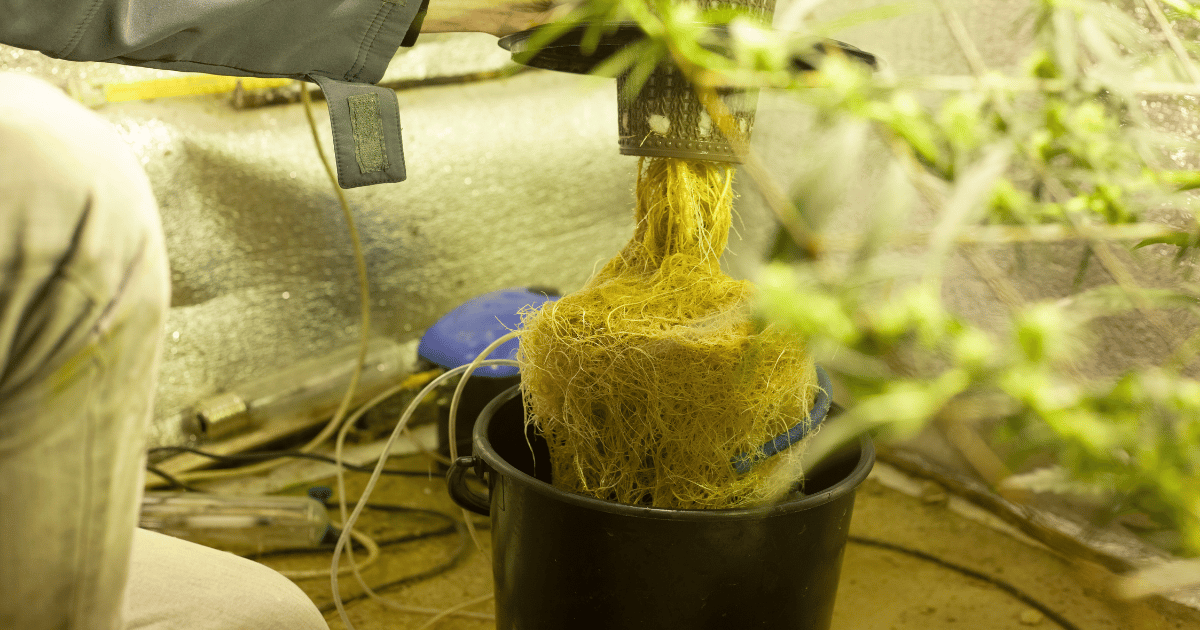
In the ever-evolving landscape of cannabis cultivation, hydroponics has emerged as a cutting-edge and efficient method for nurturing robust and high-yielding cannabis plants. Hydroponic systems provide growers with precise control over nutrient delivery, environmental conditions, and plant health. In this blog post, we'll delve into the various types of hydroponics used to cultivate cannabis, showcasing the innovation and versatility that hydroponic methods bring to the cultivation process.
1. Nutrient Film Technique (NFT):
Overview: Nutrient Film Technique is a hydroponic system where a thin film of nutrient-rich water is continuously circulated over the bare roots of plants, providing a constant supply of essential nutrients.
Benefits:
Efficient nutrient uptake.
Improved oxygenation of roots.
Water and nutrient conservation.
2. Deep Water Culture (DWC):
Overview: Deep Water Culture involves suspending cannabis plants in a nutrient solution with their roots submerged in the water. Air stones are used to provide oxygen to the roots.
Benefits:
Increased oxygen availability.
Excellent nutrient absorption.
Enhanced nutrient delivery to the plant.
3. Aeroponics:
Overview: Aeroponics is a system where plants are suspended in air, and nutrient-rich mist is periodically sprayed directly onto the roots, promoting optimal nutrient absorption.
Benefits:
Efficient nutrient delivery.
Faster growth rates.
Reduced water usage.
4. Drip System:
Overview: In a Drip System, a nutrient solution is dripped onto the base of each cannabis plant through a network of tubes or pipes. The excess solution is collected and recirculated.
Benefits:
Precise control over nutrient delivery.
Reduced risk of overwatering.
Adaptability to various growing mediums.
5. Ebb and Flow (Flood and Drain):
Overview: Ebb and Flow systems involve flooding the growing area with a nutrient solution and then allowing it to drain away. This cyclic flooding and draining provide an oxygen-rich environment for the roots.
Benefits:
Improved nutrient absorption.
Enhanced aeration for root health.
Well-suited for various growing mediums.
6. Wick System:
Overview: In a Wick System, nutrient-rich water is drawn up into the growing medium through a wick, providing a slow and steady supply of nutrients to the cannabis plants.
Benefits:
Simple and low-cost setup.
Suitable for smaller-scale operations.
Minimal maintenance requirements.
7. Recirculating Deep Water Culture (RDWC):
Overview: RDWC is an advanced version of Deep Water Culture where multiple plant containers are connected through a common nutrient reservoir, creating a recirculating system.
Benefits:
Consistent nutrient levels.
Improved nutrient distribution.
Enhanced stability and uniformity.
8. Coco Coir Hydroponics:
Overview: While not a hydroponic system per se, growing cannabis in a substrate like coco coir within a hydroponic setup is gaining popularity. Coco coir offers excellent water retention and aeration properties.
Benefits:
Enhanced nutrient absorption.
pH stability.
Improved oxygenation of roots.
Hydroponic cultivation methods have revolutionized the way cannabis is grown, offering precise control over essential variables and fostering optimal conditions for plant growth. Whether utilizing Nutrient Film Technique for efficient nutrient delivery, Aeroponics for accelerated growth, or any other method, hydroponics allows cultivators to maximize yields, conserve resources, and produce high-quality cannabis. As technology and research continue to advance, the synergy between hydroponics and cannabis cultivation is poised to shape the future of the industry, providing sustainable and innovative solutions for growers worldwide.
