- The Rush
- Posts
- Navigating Cannabis
Navigating Cannabis
Understanding the Difference Between Medical and Recreational Use
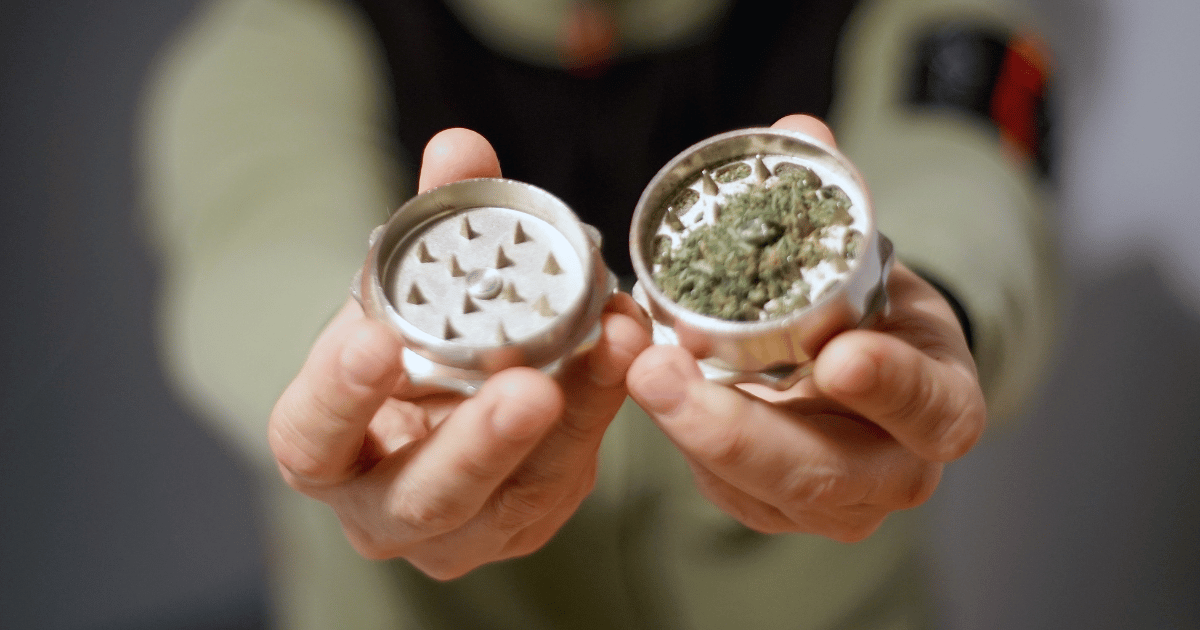
As the legal landscape around cannabis continues to evolve, consumers are presented with various options for its use, with medical and recreational cannabis being two distinct categories. While both involve the consumption of the cannabis plant, the purposes, legal considerations, and access methods differ significantly. In this blog post, we'll explore the key differences between medical and recreational (adult-use) cannabis to help users make informed decisions.
Purpose and Intent: Healing vs. Recreation
Medical Cannabis:
Purpose: Medical cannabis is used to alleviate symptoms and treat various medical conditions. It is prescribed by healthcare professionals to address specific health issues such as chronic pain, nausea, seizures, and anxiety. The primary goal is therapeutic and aimed at improving the patient's overall well-being.
Ingredients: Medical cannabis products often have specific cannabinoid and terpene profiles tailored to address particular symptoms. Cannabidiol (CBD) and tetrahydrocannabinol (THC) are two prominent cannabinoids that play distinct roles in the therapeutic effects of medical cannabis.
Recreational Cannabis:
Purpose: Recreational cannabis, on the other hand, is used for enjoyment, relaxation, or social purposes. It is consumed without a medical prescription and is sought after for its psychoactive effects. The intent is recreational, and users often consume cannabis to experience euphoria, relaxation, or heightened sensory perception.
Ingredients: Recreational cannabis products may have varying ratios of THC and CBD, depending on the desired effects. The emphasis is often on the psychoactive properties of THC, which is responsible for the "high" associated with recreational use.
Access and Legal Considerations: Prescriptions vs. Adult-Use Laws
Medical Cannabis:
Access: Medical cannabis is typically accessed through a state-regulated medical marijuana program. Patients must have a qualifying medical condition and obtain a prescription or recommendation from a licensed healthcare professional. This allows them to purchase medical cannabis from authorized dispensaries.
Legal Considerations: The legality of medical cannabis varies by jurisdiction, with many regions having established specific regulations to govern its use, cultivation, and distribution. In places where medical cannabis is legal, patients are often protected from certain legal consequences associated with recreational use.
Recreational Cannabis:
Access: Recreational cannabis is generally available to adults aged 21 and older in regions where it is legal. Consumers can purchase cannabis products from licensed dispensaries without the need for a medical prescription or recommendation.
Legal Considerations: The legality of recreational cannabis is determined by state or national laws. In areas where recreational use is permitted, adults can possess and consume cannabis within the parameters defined by local regulations. However, it's important to note that recreational cannabis remains illegal in many jurisdictions.
Product Variety and Marketing: Therapeutic vs. Lifestyle Focus
Medical Cannabis:
Product Variety: Medical cannabis products come in various forms, including tinctures, capsules, edibles, and topicals. The range of products aims to provide therapeutic benefits while offering different methods of consumption tailored to patient preferences.
Marketing: The marketing of medical cannabis is often focused on its therapeutic properties and the potential to improve the quality of life for patients. Information about specific strains, cannabinoid profiles, and recommended dosages is emphasized to guide patients in choosing the most suitable products.
Recreational Cannabis:
Product Variety: Recreational cannabis products also come in diverse forms, and dispensaries offer a wide array of strains and products to cater to different preferences. The focus is on enhancing the recreational experience, with an emphasis on flavor, potency, and various consumption methods.
Marketing: Recreational cannabis marketing often highlights the enjoyable aspects of consumption, emphasizing the diverse flavors and effects of different strains. Packaging and branding play a significant role in attracting consumers seeking a specific recreational experience.
While medical and recreational cannabis both originate from the same plant, their purposes, access methods, and legal considerations differ significantly. Whether seeking therapeutic relief or recreational enjoyment, consumers should be aware of these distinctions and adhere to the regulations and guidelines established in their respective regions. As the cannabis industry continues to evolve, understanding the nuanced differences between medical and recreational cannabis becomes increasingly important for users, healthcare professionals, and policymakers alike.
