- The Rush
- Posts
- Maximizing Yields
Maximizing Yields
A quick guide to light deprivation techniques in cannabis cultivation
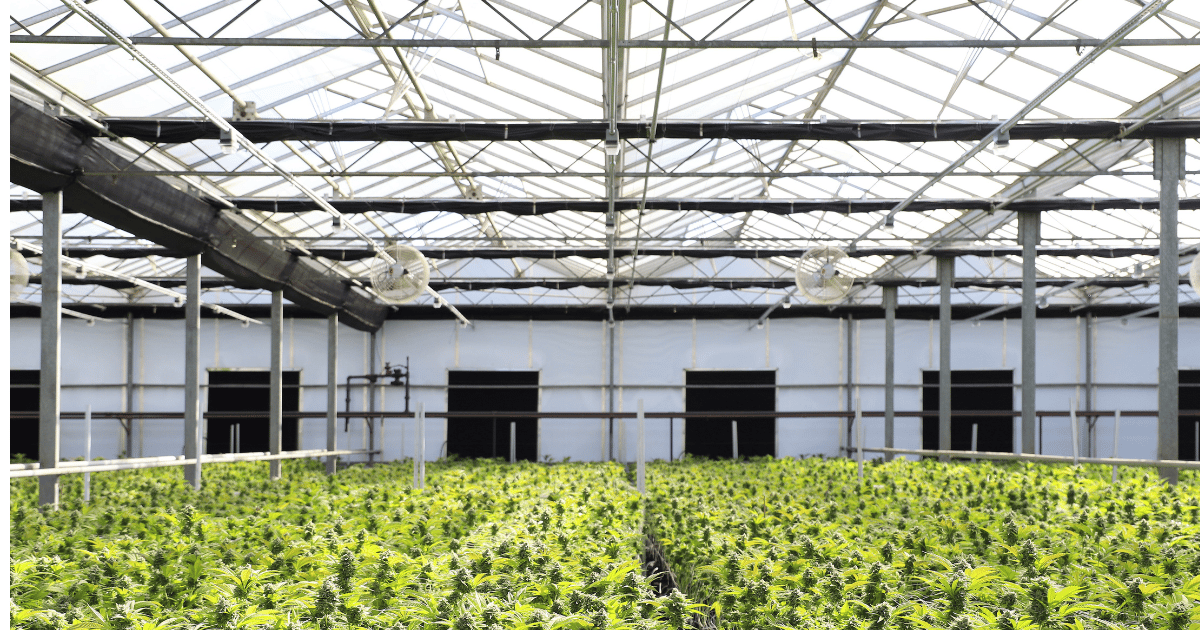
Cultivating cannabis requires a nuanced understanding of environmental factors, and one crucial element that significantly influences plant growth and yield is light. Light deprivation techniques have become a popular and effective method for manipulating the light cycle, encouraging flowering, and ultimately maximizing yields. In this blog post, we'll delve into the world of light deprivation techniques, exploring their benefits, methods, and considerations for successful cannabis cultivation.
Light is a primary driver of photosynthesis, the process by which plants convert light energy into chemical energy, fueling their growth. For cannabis, different stages of growth require distinct light cycles. During the vegetative stage, longer periods of light (18-24 hours) promote vegetative growth, while the flowering stage benefits from shorter light cycles (12 hours of light and 12 hours of darkness).
Light deprivation, also known as light manipulation or light blocking, involves controlling the amount of light cannabis plants receive to influence their growth cycle. By simulating the natural progression of light outdoors, cultivators can trigger the flowering stage earlier than it would occur under standard conditions. This technique is particularly valuable for cultivators aiming to harvest multiple times within a year.
Benefits of Light Deprivation Techniques
Faster Flowering and Harvest:
Light deprivation accelerates the transition from the vegetative to the flowering stage, allowing for faster harvests. Cultivators can potentially harvest two or more crops in a single growing season, increasing overall yields.
Increased Control and Flexibility:
Cultivators gain greater control over the growth cycle, enabling them to schedule harvests strategically. This flexibility is especially advantageous for cultivators in regions with unpredictable weather patterns or those aiming to meet specific market demands.
Enhanced Crop Security:
Manipulating light cycles can contribute to better crop security. By initiating flowering earlier, cultivators may reduce the risk of pest infestations and diseases that often accompany prolonged vegetative growth.
Light Deprivation Techniques: Methods and Considerations
Light-Deprivation Greenhouses:
Greenhouses equipped with light deprivation systems are a popular choice for cultivators. These systems typically involve light-blocking curtains that can be controlled to simulate natural light conditions. Automated systems allow for precise scheduling of light cycles.
Blackout Tarps and Structures:
Outdoor cultivators often use blackout tarps or structures to manually control light exposure. This involves covering plants to create a dark environment during the desired period. While this method may be more labor-intensive, it can be a cost-effective solution for small-scale operations.
Light-Deprivation Hoops:
Some cultivators implement light-deprivation hoops, which are movable structures that can be placed over plants to create a controlled environment. This method is particularly useful for larger outdoor cultivation operations where scalability is essential.
Timing and Duration:
Timing is crucial when employing light deprivation techniques. Cultivators must accurately determine when to initiate the dark period to trigger flowering. Additionally, the duration of darkness plays a role in influencing the plants' response. A consistent and well-monitored schedule is vital for success.
Environmental Considerations:
Cultivators should consider the local climate and weather conditions when implementing light deprivation techniques. Adequate ventilation and temperature control are essential to prevent issues such as mold and humidity-related problems.
Light deprivation techniques have revolutionized cannabis cultivation, offering cultivators a powerful tool to optimize growth cycles, increase yields, and enhance overall crop quality. By understanding the benefits, methods, and considerations associated with light manipulation, cultivators can take a proactive approach to their growing practices, adapting to the evolving landscape of the cannabis industry. As the demand for high-quality cannabis continues to rise, integrating light deprivation techniques into cultivation strategies represents a forward-thinking and efficient approach for both small-scale and large-scale operations alike.
