- The Rush
- Posts
- Illuminating the Green Revolution
Illuminating the Green Revolution
A quick guide to indoor grow lighting
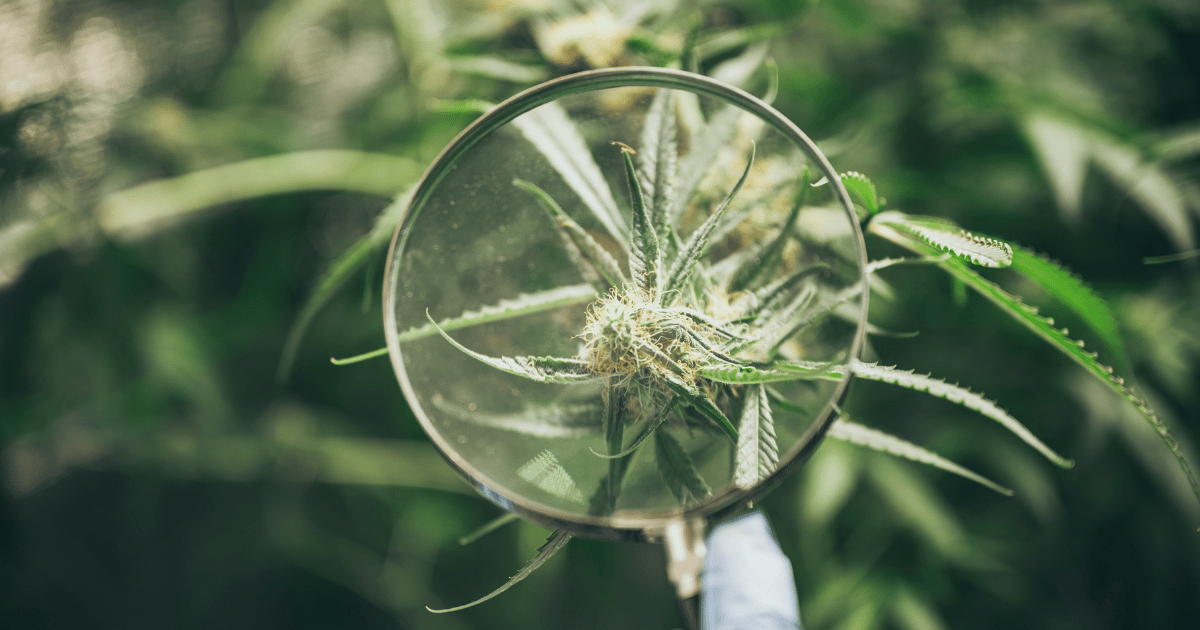
Indoor cannabis cultivation has undergone a revolutionary transformation, largely attributed to advancements in lighting technology. The selection of appropriate grow lights is a critical aspect of successful indoor cultivation, influencing plant growth, flowering, and overall yield. In this blog post, we will explore the diverse array of cannabis grow lights used in indoor cultivation, shedding light on their unique features, advantages, and considerations for cultivators.
1. High-Intensity Discharge (HID) Lights:
Overview: HID lights have long been a staple in indoor cannabis cultivation. This category includes Metal Halide (MH) lights for vegetative growth and High-Pressure Sodium (HPS) lights for the flowering stage.
Advantages:
Proven efficacy for years.
Cost-effective initial investment.
Suitable for larger grow spaces.
Considerations:
Higher energy consumption.
Emit more heat, requiring additional ventilation.
2. Light-Emitting Diodes (LEDs):
Overview: LED grow lights have gained immense popularity in recent years due to their energy efficiency, customizable spectra, and longevity.
Advantages:
Energy-efficient, reducing electricity costs.
Tailored spectra for different growth stages.
Longer lifespan and lower heat emission.
Considerations:
Higher upfront cost (offset by long-term savings).
Quality varies among brands.
3. Fluorescent Lights:
Overview: Fluorescent lights, including Compact Fluorescent Lights (CFLs) and T5s, are commonly used for seedlings, clones, or in spaces with limited height.
Advantages:
Low heat emission.
Cost-effective for small setups.
Suitable for early growth stages.
Considerations:
Limited penetration, best for shorter plants.
Less suitable for flowering.
4. Ceramic Metal Halide (CMH) Lights:
Overview: CMH lights combine the spectrum benefits of MH lights with the energy efficiency of LEDs, making them a popular choice for both vegetative and flowering stages.
Advantages:
Balanced spectrum similar to natural sunlight.
Energy-efficient compared to traditional HID lights.
Enhanced color rendering.
Considerations:
Moderate upfront cost.
Emit more heat than LEDs.
5. Plasma Lights:
Overview: Plasma lights, specifically Light Emitting Plasma (LEP) technology, are a relatively newer entrant in the cannabis cultivation lighting landscape.
Advantages:
Full-spectrum light similar to the sun.
Energy-efficient and long-lasting.
Suitable for all growth stages.
Considerations:
Limited availability and higher upfront cost.
Require specific fixtures and may produce more heat than LEDs.
6. Quantum Boards:
Overview: Quantum boards are a type of LED grow light that features a densely packed array of LEDs on a flat board, delivering high-intensity light with even distribution.
Advantages:
Efficient light distribution.
Customizable spectrum options.
Excellent for light coverage in grow tents or limited spaces.
Considerations:
May still have a higher upfront cost.
Quality and performance vary among brands.
7. Light Emitting Diode (LED) Bars:
Overview: LED bars are a modular lighting solution that allows growers to customize the light coverage and intensity based on the specific needs of their cultivation space.
Advantages:
Flexible and modular design.
Easy to adjust for different growth stages.
Efficient use of space.
Considerations:
Initial investment may be higher for larger setups.
Quality and performance vary among brands.
The world of cannabis grow lights for indoor cultivation is as diverse as the strains being grown. Each type of light has its unique advantages and considerations, and the choice depends on factors such as the size of the grow space, budget constraints, and the specific needs of the plants at different growth stages. As technology continues to advance, cultivators have an expanding toolkit of lighting options to explore, ushering in a new era of precision and efficiency in indoor cannabis cultivation. Whether it's the tried-and-true HID lights, the energy-efficient LEDs, or innovative options like plasma lights and quantum boards, cultivators now have the power to tailor their lighting setups for optimal cannabis growth and yield.
