- The Rush
- Posts
- Ensuring Purity and Potency
Ensuring Purity and Potency
The cannabis product testing process
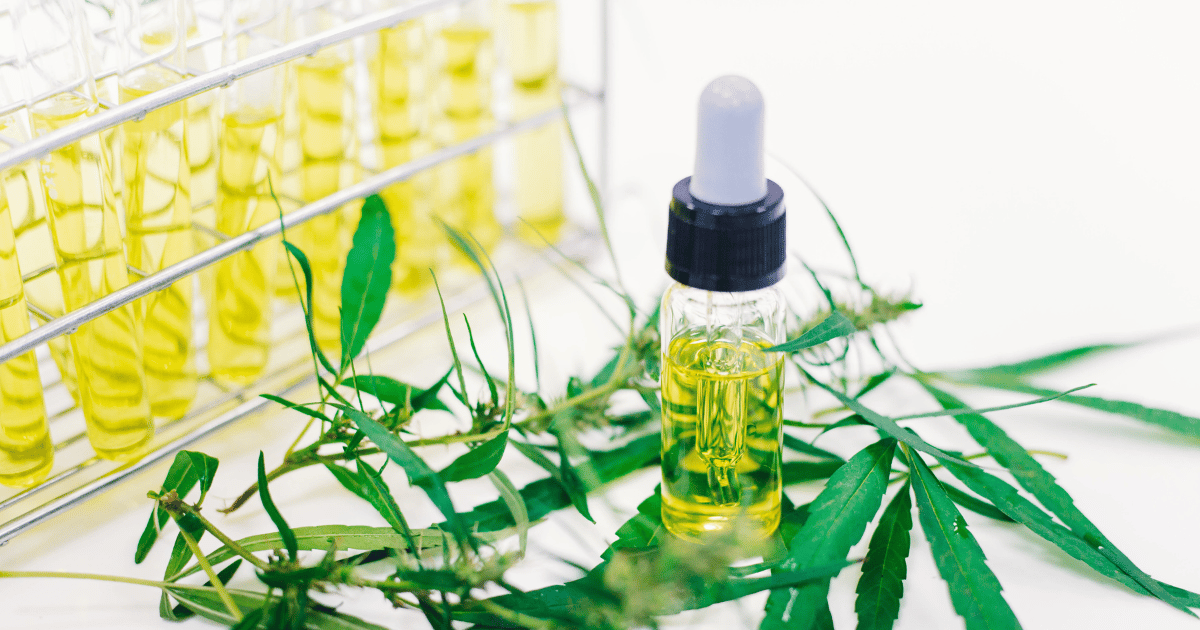
In the dynamic landscape of the cannabis industry, ensuring the safety and quality of cannabis products is paramount. Product testing plays a pivotal role in this process, providing consumers with confidence in the purity and potency of the products they purchase. In this blog post, we'll delve into the cannabis product testing process, shedding light on the methodologies, standards, and significance of this crucial step in the journey from cultivation to consumption.
Sample Collection: The cannabis product testing process begins with the collection of representative samples. These samples are drawn from batches of cannabis flower, concentrates, edibles, or other products, depending on the specific requirements of the testing.
Identification and Labeling: Each sample is meticulously identified and labeled to ensure accurate tracking throughout the testing process. Precise labeling is essential for maintaining transparency and traceability.
Cannabinoid Profiling: Cannabinoid profiling is a key component of cannabis product testing. This step involves analyzing the concentration of cannabinoids, including THC and CBD, to determine the product's potency. Accurate labeling of THC and CBD levels is crucial for consumers to make informed choices.
Terpene Analysis: Terpenes, the aromatic compounds responsible for the distinctive scents of cannabis strains, undergo analysis. Understanding the terpene profile provides insights into the potential therapeutic effects and contributes to the overall sensory experience of the product.
Residual Solvent Testing: For cannabis concentrates, residual solvent testing is vital. This process ensures that no harmful solvents from the extraction process remain in the final product. Common solvents include butane, propane, and ethanol.
Pesticide Screening: Pesticide screening is conducted to detect the presence of harmful pesticides in cannabis products. Strict limits are established to ensure products are free from potentially hazardous chemicals.
Microbial and Mold Analysis: Microbial and mold analysis is essential to identify the presence of bacteria, yeast, mold, or other microorganisms. Contamination can occur during cultivation, processing, or storage, and rigorous testing helps prevent the distribution of contaminated products.
Heavy Metal Testing: Cannabis plants have a unique ability to absorb metals from the soil. Heavy metal testing assesses the presence of substances like lead, mercury, and cadmium. Stricter regulations are in place to protect consumers from exposure to harmful levels of heavy metals.
Moisture Content Analysis: Moisture content analysis is crucial for dried cannabis flower and other products. Excessive moisture can lead to mold growth, while insufficient moisture may affect the product's quality and shelf life.
Foreign Material Inspection: This step involves a visual inspection for any foreign materials such as dirt, insects, or other contaminants. Ensuring the absence of foreign matter is essential for maintaining product purity.
Packaging Compliance: Testing also extends to packaging materials to ensure they comply with safety and regulatory standards. This includes evaluating the impact of packaging on the product, such as whether it introduces contaminants.
Data Analysis and Reporting: The data collected from the testing process undergoes comprehensive analysis. Testing laboratories generate detailed reports outlining the results for each parameter tested. These reports serve as a crucial tool for businesses to demonstrate product compliance and transparency to consumers.
Regulatory Compliance: Cannabis product testing is conducted in accordance with strict regulatory guidelines. Testing labs must adhere to these standards, ensuring that products meet the legal requirements for safety and quality.
Consumer Transparency: Transparent reporting of test results is essential for consumer confidence. Many jurisdictions require cannabis products to display testing information on product labels, allowing consumers to make informed choices.
Continuous Improvement: The cannabis industry is dynamic, with advancements in cultivation and processing techniques. Testing processes must evolve to keep pace with industry developments, ensuring that products are tested comprehensively and accurately.
In conclusion, the cannabis product testing process is a meticulous and multifaceted journey that safeguards the integrity of the industry. From cannabinoids and terpenes to potential contaminants, each aspect is scrutinized to meet stringent quality and safety standards. As the industry matures, the commitment to robust testing processes remains a cornerstone, providing consumers with the assurance that the cannabis products they choose are not only potent and pure but also aligned with the highest standards of safety and quality.
